Your Practical Guide to Everyday Nutrition
Eating better doesn’t mean dieting or avoiding everything you enjoy. It means consistently choosing whole, nutrient-dense foods that support how you want to feel, move, and live. This page breaks down what actually matters and what you can ignore when it comes to eating well.Build Meals Around Whole Foods
The simplest rule? Build most of your meals around foods that haven’t been heavily processed. Whole foods include fresh vegetables and fruit, quality proteins such as eggs, fish, steak and chicken, whole grains including oats and rice, and healthy fats from avocados, extra virgin olive oil, nuts and seeds. These foods contain fibre, vitamins, minerals and healthy fats in the right balance nature intended. Heavily processed foods such as packaged snacks, soft drinks, sweetened cereals and takeaway are often stripped of nutrition and loaded with added sugars, oils and preservatives. Eating them occasionally won’t ruin your progress. However, they shouldn’t be regular parts of your diet.Don’t Just Eat Better, Eat at Better Times
Meal timing affects energy, focus and digestion. A regular routine helps your body perform and recover more effectively. Start your day with a meal that includes protein and slow-digesting carbohydrates. For example, eggs with oats or Greek yoghurt with fruit and nuts can stabilise blood sugar and provide steady energy. Try to eat every four to five hours and avoid skipping meals, especially if you’re active. Skipping often leads to overeating later or feeling sluggish during the day. Finish your last meal two to three hours before bed. This gives your body time to digest and wind down. A light evening meal can support better sleep and overnight recovery.Micronutrients Drive the Small Stuff That Matters
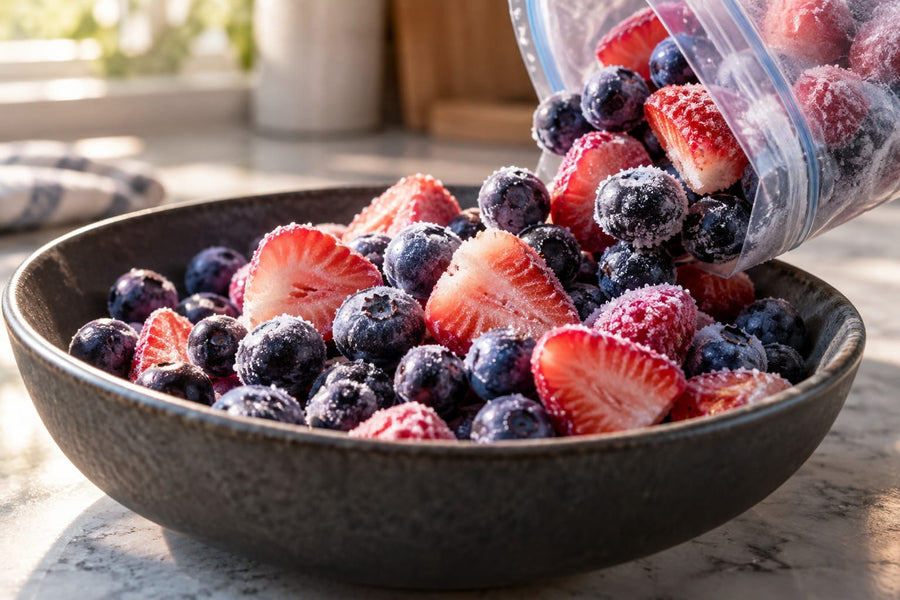
Vitamins and minerals keep your brain sharp, immune system strong and muscles functioning properly. You get them by eating a wide variety of natural foods. Leafy greens such as spinach and kale provide iron, magnesium and folate. Bright fruits like oranges and berries offer vitamin C and antioxidants. Eggs, dairy and nuts contribute zinc, selenium, B vitamins and healthy fats. The more variety you get from real food, the less you need to rely on supplements.Hydrate in a Way That Works
Water is essential for energy, digestion, temperature regulation and recovery. Start your day with a glass of water and sip consistently throughout, especially before and after movement. If you sweat often, replace electrolytes naturally by including foods such as bananas, citrus, leafy greens and mineral water in your diet. Tea, broth and fruits also contribute to fluid intake. A good guide for hydration is aiming for light yellow urine.What You Do Most Days Makes the Difference
Eating better isn’t about perfection. It’s about what you repeat. A good nutrition plan is not extreme. It should be consistent, flexible and sustainable. Don’t worry about one snack or one meal. Instead, focus on how you eat across the week. Shape your environment to support your goals. Keep whole foods visible, prepare simple meals in advance and choose foods you enjoy. Eating should feel supportive, not stressful.Small changes lead to big improvements.
When you eat better, you think more clearly, move more freely, sleep more deeply and recover more fully. This is the foundation of real health and it doesn’t need to be complicated.