Antioxidants are often mentioned in conversations about wellness. Yet their role in preventing chronic disease is far more profound than most people realise. A long-term population study has now reinforced what nutrition experts have long suspected. Antioxidant-rich diets significantly reduce the risk of cardiovascular disease and cancer when those antioxidants come from whole foods.
This article breaks down what antioxidants do in the body, why they matter more than ever, and how you can make meaningful changes without relying on supplements or hype.
What Are Antioxidants and Why Do They Matter?
Antioxidants are compounds that help your body maintain balance at the cellular level. They neutralise free radicals, which are unstable molecules that damage cells through a process called oxidative stress. When oxidative stress becomes chronic, it can drive inflammation and contribute to the development of heart disease, cancer, and even neurodegenerative disorders.
Your body produces some antioxidants naturally. But much of your daily protection comes from dietary sources. These include fruits, vegetables, nuts, herbs, and spices.
New Evidence from a 15-Year Population Study
A major cohort study published in BMC Public Health followed over 9,000 adults for 15 years. Researchers tracked their dietary patterns and health outcomes. They specifically analysed the intake of antioxidant-rich foods, including those high in vitamin C, vitamin E, and flavonoids.
The results showed a strong association between higher antioxidant consumption from whole foods and lower incidence of cardiovascular disease and some cancers. The protective effect was clearest in participants who consumed a consistent and diverse range of antioxidant sources from natural food.
This finding highlights an important nuance. Supplements did not offer the same benefits. In fact, previous trials have shown that isolated antioxidant supplements may have little effect or, in some cases, unintended negative consequences. The key seems to be food synergy, which refers to the complex way nutrients interact within whole foods.
How Oxidative Stress Impacts Your Body
Oxidative stress is part of everyday life. It increases with environmental pollutants, poor diet, excessive alcohol, and even hard exercise without adequate recovery. Over time, oxidative stress can alter DNA, damage blood vessels, and impair immune function.
Antioxidants buffer this damage by donating electrons to stabilise free radicals without becoming unstable themselves. This protective mechanism is especially crucial in tissues that are sensitive to inflammation. These include arteries, the brain, and the gut lining.
That is why diets rich in natural antioxidants are linked with better vascular health, reduced plaque build-up, and lower risk of certain cancers.
How to Naturally Boost Your Antioxidant Intake
While the science may sound complex, the practical takeaway is simple. Eat more plants in their least processed form. Below are ways to improve your antioxidant intake through realistic food choices.
Eat the rainbow
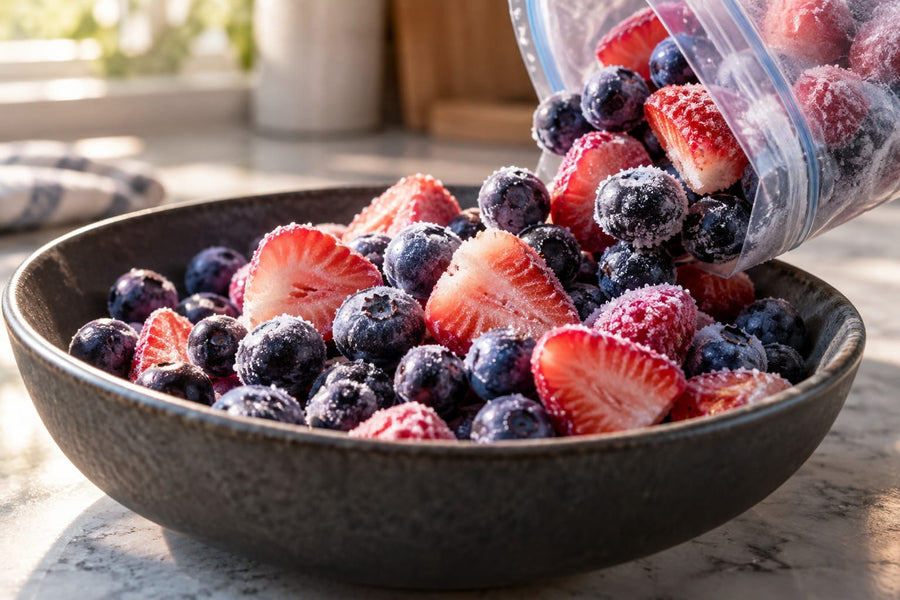
Different pigments in plants often reflect different antioxidant compounds. Dark berries, red capsicum, kale, beetroot, and purple cabbage are all rich in unique antioxidants that support different body systems.
Include nuts, seeds, and legumes
These are packed with vitamin E and polyphenols. Snack on almonds or sunflower seeds. Add lentils to your meals to support daily antioxidant needs.
Use herbs and spices
Oregano, turmeric, cinnamon, and cloves contain high concentrations of antioxidant compounds. Adding them to meals enhances flavour while supporting cellular health.
Choose whole foods over extracts
Juices, powders, and supplements often isolate certain compounds. But it is the combination of fibre, enzymes, and phytonutrients in whole foods that offers the greatest health benefit.
Why Food-Based Antioxidants Work Better
Part of the reason food-based antioxidants are more effective is due to bioavailability, which refers to the body’s ability to absorb and use them. Whole foods often contain co-factors that enhance absorption. For example, vitamin C in citrus fruit helps you absorb iron from leafy greens. Fat in nuts supports the uptake of fat-soluble antioxidants like vitamin E.
Another reason is balance. Supplements often deliver unnaturally high doses of isolated compounds, which can disrupt the body’s regulatory systems. By contrast, the quantities found in food tend to support rather than override your internal defences.
Final Thoughts
A consistent intake of antioxidant-rich foods does more than protect you from ageing. It strengthens your body’s resilience at the cellular level. This helps you manage inflammation, repair damage, and reduce the risk of serious chronic diseases.
The good news is, this approach does not require extreme diets or expensive supplements. Just consistent, colourful, real food on your plate.
References
Santos, R. M., Chen, Y., Patel, A. K., & Li, W. (2025). Dietary antioxidants and risk of chronic disease: Results from a 15-year population-based cohort study. BMC Public Health, 25, Article 21725. https://doi.org/10.1186/s12889-025-21725-4