Why Zone 1 Recovery Walks Help You Train More Often
Training hard is only one part of getting fitter. The other part is being able to come back and train again.
That is where many people get stuck. They push hard in the gym, run hard, play sport, or do a big session, then spend the next day feeling stiff, heavy, and unmotivated. Some people respond by forcing another hard workout. Others stop moving completely. Both can work at times, but there is a useful middle ground. That middle ground is a Zone 1 recovery walk.
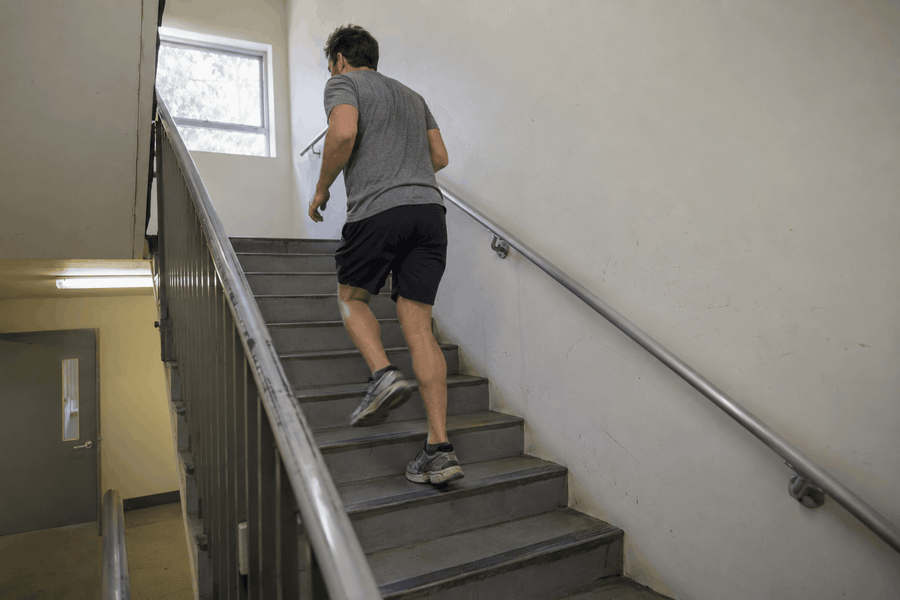
A Zone 1 walk is very easy movement. It should feel almost too easy. You should be able to breathe comfortably, talk in full sentences, and finish the walk feeling clearer and looser than when you started.
It is not meant to improve your fitness in the same way as intervals, strength training, or long endurance sessions. It has a different role. It helps you recover without adding much extra stress.
What Zone 1 actually means
Zone 1 is the easiest aerobic training zone. In practical terms, it is a pace that feels calm and sustainable. You are moving, but you are not chasing intensity. Your breathing stays controlled. Your muscles feel warm, but not under strain. Your heart rate rises slightly, but not enough to feel like a workout. For most people, this looks like an easy walk.
The mistake people make is turning recovery into another performance session. They start with the idea of a light walk, then slowly turn it into a brisk walk, then a power walk, then a session that leaves them more tired than before. A recovery walk should not feel like that. The purpose is to support the next session, not steal from it.
Why light movement can help recovery
After hard training, your body needs time to restore normal function. Muscles can feel sore. Joints can feel stiff. Your nervous system can feel flat. Your motivation can drop because your body is still dealing with the stress from the previous session.
Complete rest can be useful, especially when you are run down or dealing with pain. But light movement can also help. A Zone 1 recovery walk increases circulation without placing a heavy demand on your muscles. It helps you move through a comfortable range of motion. It can reduce the feeling of stiffness that builds up after sitting all day. It also gives your body a gentle signal that it is safe to move again.
This matters because soreness often makes people avoid movement altogether. The longer they stay still, the tighter and heavier they can feel. A short walk breaks that cycle.
What the research shows
Active recovery has been studied as a way to support performance and recovery after exercise. A systematic review published in the Journal of Strength and Conditioning Research examined active recovery interventions in professional, collegiate, and competitive adult athletes. The authors found that active recovery interventions lasting around 6 to 10 minutes showed the most consistent positive effects on performance, although the evidence was mixed overall.
This is important because it keeps the message realistic. Active recovery is not magic. It does not guarantee better performance every time. But short, easy movement appears to be useful enough that it deserves a place in a simple recovery routine.
Another study looked at aerobic recovery intensity after exercise that caused delayed onset muscle soreness. The study found that aerobic recovery intensity can influence soreness and strength outcomes after eccentric muscle work. For everyday people, the takeaway is simple. Light movement can be useful after hard training, but intensity matters. If you push too hard, it stops being recovery and becomes more training.
Why walking is the easiest option
There are many ways to do active recovery. You could cycle lightly, swim, do mobility work, or use an easy elliptical session. But walking is the simplest option for most people.
You do not need equipment. You do not need to change clothes. You do not need a gym. You can do it after dinner, after work, after training, or during a lunch break. That makes it repeatable.
The best recovery strategy is not always the most advanced one. It is the one you can actually do when you are tired, busy, and sore. Walking also has a low barrier to entry. It is gentle on the body, easy to scale, and unlikely to create much soreness when kept at the right intensity.
When to use Zone 1 recovery walks
Zone 1 recovery walks are most useful after harder sessions. They work well after heavy leg training, long runs, interval sessions, sport, or any workout that leaves your body feeling tight the next day.
A simple option is to walk for 10 to 20 minutes later in the day after training. Another option is to walk the next morning if you wake up stiff. You can also use it on rest days. Instead of doing nothing, take an easy walk to keep your body moving without making the day feel like another workout.
The key is to keep the walk easy enough that it helps you feel better.
How to know you are doing it right
A proper recovery walk should feel calm. You should be able to breathe through your nose for most of it. You should be able to hold a conversation. You should not be checking pace or trying to hit a target.
If you finish feeling more drained, you went too hard or too long. If your legs feel warmer, your mind feels clearer, and your body feels less stiff, you are probably in the right range.
Start with 10 minutes. If that feels good, build to 15 or 20 minutes. There is no need to overcomplicate it.
The biggest mistake
The biggest mistake is treating every movement session like it needs to improve fitness. Not every session needs to push you forward directly. Some sessions help by allowing you to keep going.
That is the value of Zone 1 recovery walks. They create a small recovery habit that helps you stay consistent. They give your body movement without pressure. They help you train again sooner because they do not add much fatigue.
For people who are trying to build a long term exercise routine, this matters. You do not need to destroy yourself every day to get fitter. You need enough hard work to improve, and enough easy movement to keep showing up.
Summary
Zone 1 recovery walks are not impressive, but they are effective. They are simple, low stress, and easy to repeat. They can help reduce stiffness, support circulation, and make it easier to return to training after hard sessions.
The key is to keep them easy. Walk for 10 to 20 minutes. Breathe comfortably. Finish feeling better than when you started. That is the point.