Why training one side at a time delivers results bilateral exercises cannot
Most gym programs revolve around big compound lifts that use both sides of the body at once, such as the squat, deadlift, bench press, and overhead press. These lifts are effective, but they do not reflect how your body moves in real life.
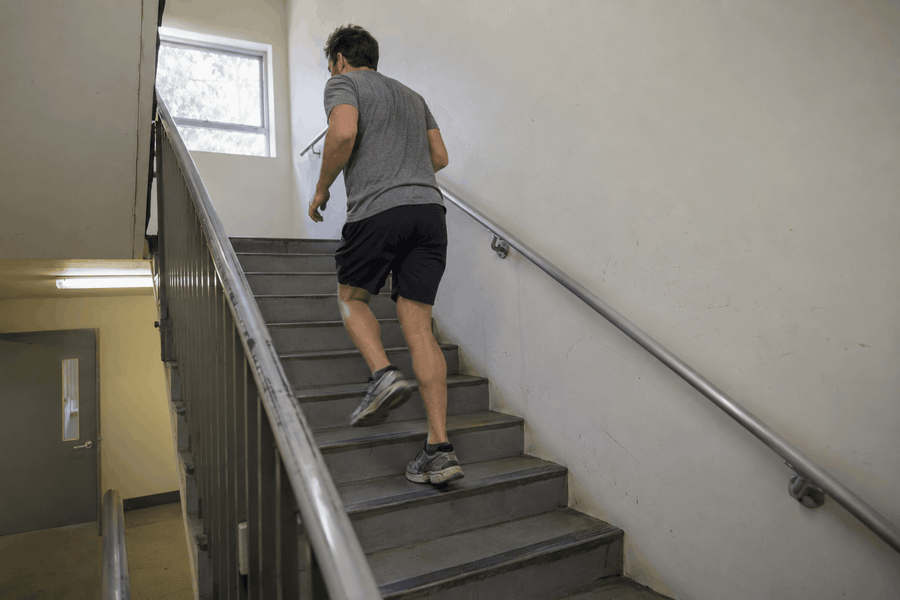
Whether you are running, changing direction, climbing stairs, or carrying groceries, your limbs rarely work in perfect symmetry. That is where unilateral training becomes essential, and why it is gaining serious attention from performance coaches and rehabilitation experts alike.
Why Most People Miss This Advantage
Unilateral exercises have long been associated with injury rehab or warm ups. But their true value goes far beyond that. Training one side at a time builds control, coordination, and strength that bilateral lifts often fail to develop.
Most people assume that bilateral exercises automatically improve each side of the body equally. But research shows this is not the case. One side can remain weaker, slower, or less stable, and you will not know it until you isolate it.
That imbalance can quietly undermine your progress, limit performance, or increase the risk of injury when the body is forced to compensate.
Simple Steps That Work
Add rear foot elevated split squats
This helps activate stabilisers and build quad power
Train with one arm rows or presses
This improves core engagement and arm control
Start sessions with single leg work
This builds fresh neural drive and coordination
The Science Behind Unilateral Training
When you train unilaterally, the nervous system must coordinate stabilisation, balance, and force generation in a more focused way. This increases motor unit recruitment and strengthens muscle activation patterns that bilateral exercises do not fully reach.
A 2022 systematic review compared the effects of unilateral and bilateral training on athletic outcomes. It found that single limb training led to greater improvements in tasks like single leg jumping and change of direction speed. These are key abilities in sport and daily function.
A second meta analysis confirmed that unilateral exercises had a stronger effect on single limb strength and jumping ability, while bilateral exercises were more effective for traditional strength tasks using both limbs. This supports the principle of specificity. Your body adapts best when training matches the demands of your activity.
Beyond performance, unilateral work also improves proprioception, joint stability, and cross limb communication. This means fewer compensation patterns and better total body integration.
When to Use It
Unilateral training should not replace bilateral lifts entirely. Instead, it should be part of a well rounded strength plan. Many coaches recommend starting sessions with a unilateral movement when the nervous system is fresh, or using them as accessories to target weak links.
This approach helps identify and correct imbalances early, before they turn into limitations or injuries. It also improves your bilateral lifts by enhancing control and stability on each side.
Why It Matters
If your training only includes symmetrical lifts, you are leaving strength and control behind. Training one side at a time builds better balance, more usable power, and deeper resilience in both sport and everyday movement.
Whether you are an athlete, a lifter, or simply training for life, adding focused unilateral work can unlock gains you did not know you were missing.