Why Office Sitting Affects Your Heart More Than You Think
You can train consistently, run intervals, lift weights, and still spend most of your day in a chair. For many office workers, sitting takes up eight or more hours every weekday.
It feels harmless. It feels normal. But physiologically, prolonged sitting creates a very different internal environment compared to light movement or standing.
Over time, that difference matters.
What Happens to Your Cardiovascular System When You Sit
When you sit for long periods, skeletal muscle contraction drops sharply. The muscle pump in your legs becomes inactive. Blood flow slows.
Reduced blood flow lowers shear stress along the inner lining of your arteries. Shear stress is not just a mechanical force. It is a signal that tells your blood vessels to produce nitric oxide, which keeps them flexible and able to dilate properly.
When shear stress falls, endothelial function declines. Endothelial dysfunction is one of the earliest detectable steps in cardiovascular disease development.
In a controlled human study, prolonged sitting significantly reduced flow mediated dilation in healthy adults. Flow mediated dilation is a clinical measure of endothelial health and vascular responsiveness. Even a few hours of uninterrupted sitting impaired vascular function.
This does not mean you lose all your fitness in a single afternoon. It does mean that sitting creates repeated daily stress on your vascular system if it becomes your default state.
Does Exercise Cancel Out Prolonged Sitting
Exercise provides strong protection. Higher cardiorespiratory fitness is consistently associated with lower cardiovascular risk.
However, sedentary behaviour appears to act independently. You can meet recommended weekly exercise targets and still accumulate high sitting time. The body responds differently to thirty minutes of structured cardio compared to eight hours of inactivity.
Research examining the effect of replacing sitting with standing found reductions in fasting glucose and body fat mass when sedentary time was replaced with standing. Major cardiovascular markers did not shift dramatically, but the metabolic improvements were clear.
This shows an important principle. Small changes in daily posture and movement can influence metabolic regulation, even without formal training.
Exercise builds capacity. Daily movement protects function.
The Link Between Sitting and Loss of Fitness
Cardiorespiratory fitness is often measured through VO₂max, which reflects how efficiently your body uses oxygen during exercise. Maintaining VO₂max depends not only on workouts, but on overall cardiovascular demand across the week.
If most of your waking hours are spent in a low demand state, total daily cardiovascular stimulus drops. Over long periods, this may contribute to subtle reductions in vascular responsiveness and metabolic efficiency.
Think of fitness as a spectrum of signals. Structured training sends a strong positive signal. Prolonged sitting sends a low activity signal. The overall outcome reflects the balance between the two.
For office workers, that balance often tilts toward inactivity.
Practical Strategies for Office Workers
Standing all day is not the goal. Continuous standing can create its own strain. The aim is dynamic variation.
Alternating between sitting and standing every thirty to sixty minutes helps maintain blood flow.
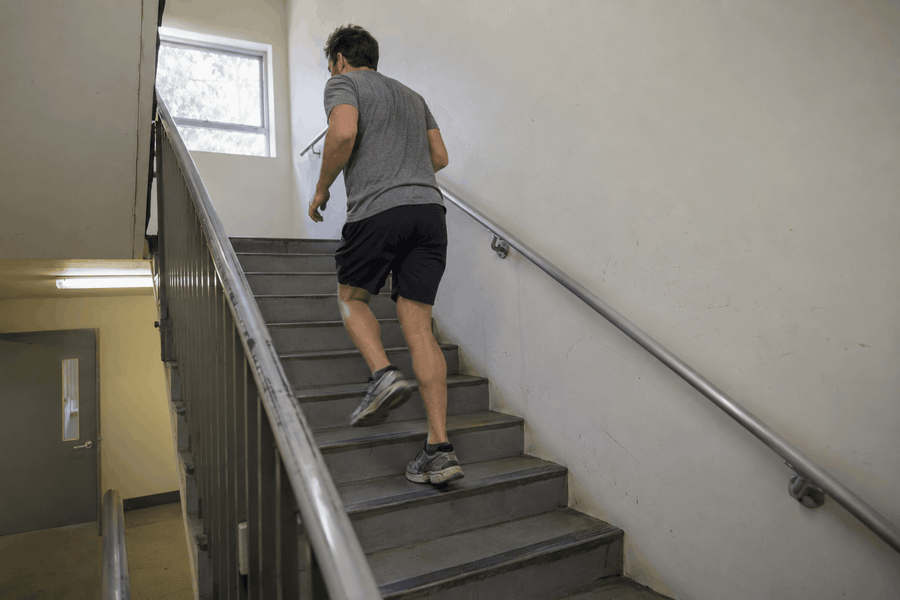
Short walking breaks of two to three minutes restore muscle pump activity and increase circulation.
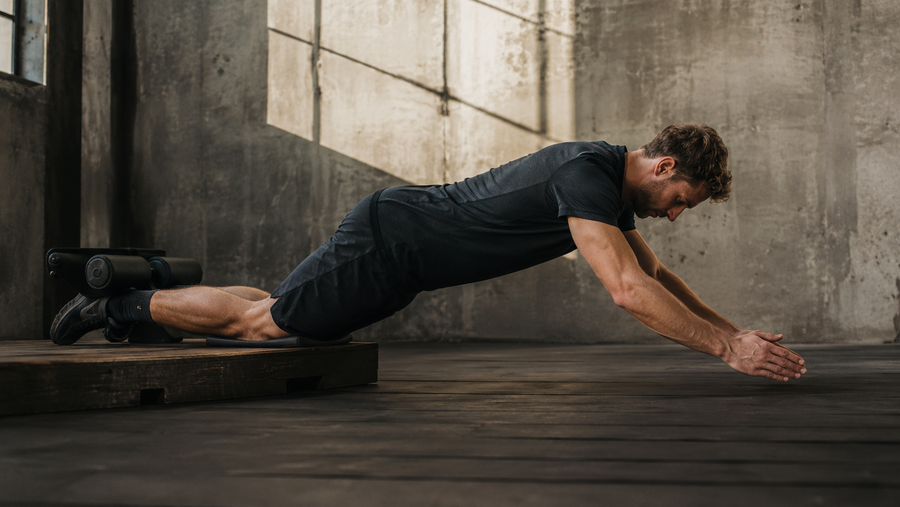
Maintaining regular structured cardio sessions preserves aerobic capacity and heart function.
These adjustments are simple, but they change the physiological environment of your day.
The Bigger Picture for Long Term Health
Cardiovascular disease does not develop overnight. It develops from repeated daily signals.
Prolonged sitting reduces vascular stimulation. Reduced stimulation can impair endothelial function. Impaired endothelial function is an early marker of cardiovascular disease risk.
When you combine structured exercise with frequent daily movement, you create a consistent pattern of positive cardiovascular signalling.
For office based professionals, this is not about training harder. It is about reducing long uninterrupted sitting and keeping your cardiovascular system engaged across the entire day.
Your heart responds to how you live, not just how you train.