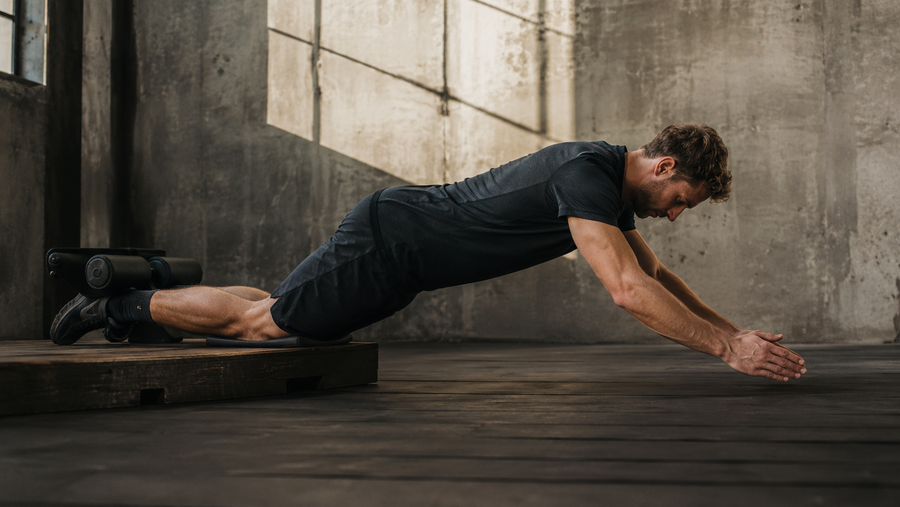
Exercise isn't about becoming an athlete; it's about improving your overall health, quality of life, and daily function. Understanding and implementing the basics can make a significant difference in how you feel and perform each day.
Why Exercise is Essential
Regular physical activity is crucial for maintaining both physical and mental health. Here are key benefits supported by research:- Boosts cardiovascular health: Exercise strengthens the heart and improves circulation, reducing risks of heart disease and stroke. Heart Foundation provides comprehensive resources on heart-healthy exercises.
- Enhances mood and mental health: Physical activity releases endorphins, reducing stress, anxiety, and depression symptoms. Visit Beyond Blue for more mental health insights.
- Supports muscle and bone strength: Regular strength training increases muscle mass and bone density, crucial for aging populations and overall health.
- Improves sleep quality: Exercise promotes deeper sleep patterns, critical for recovery and cognitive function. Sleep Health Foundation details how exercise improves sleep.
Fundamental Principles of Effective Exercise
To get the most out of your workouts, consider these fundamental principles:- Consistency over intensity: Regular, moderate exercise yields better long-term results than sporadic high-intensity workouts. Aim for at least 150 minutes of moderate activity per week.
- Balance and variety: Include different types of exercise (cardio, strength, flexibility) to maintain interest and develop a well-rounded fitness profile.
- Warm-ups and cooldowns: Always include a warm-up to prepare your body and cooldown stretches to reduce injury risks and soreness.
Types of Exercises and Their Benefits
- Cardiovascular (Aerobic): Activities like walking, running, cycling, and swimming boost heart health and endurance.
- Strength training: Weight lifting or resistance training preserves muscle, increases metabolism, and improves body composition.
- Flexibility and mobility exercises: Yoga and stretching enhance flexibility, reducing injury risks and promoting relaxation.
Getting Started
Starting simple and progressing gradually is the key. For beginners, incorporating small amounts of physical activity, like daily walking, can significantly improve health. Explore reputable resources like Exercise & Sports Science Australia for guidance tailored to your fitness level and goals.Practical Exercise Tips
- Move daily: Even 20 minutes makes a difference.
- Strength train twice weekly: Supports muscles, bones, and metabolism.
- Prioritise recovery: Rest days and adequate sleep are crucial for effective results.