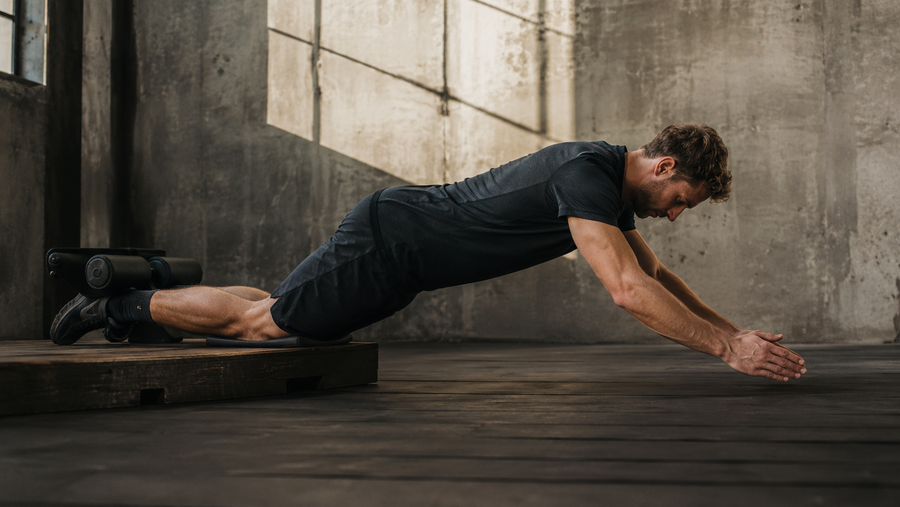
Why Your Core Matters More Than You Think
Core strength is not just about visible abs or gym aesthetics. It is about building stability, improving movement, and reducing injury risk. Your core is the group of muscles surrounding your trunk, connecting your spine, pelvis, and ribcage. These muscles work together to keep your body upright, transfer force between limbs, and protect your spine during movement.
Everyday actions such as getting out of bed, lifting a bag, or walking upstairs rely on core stability. A strong core creates a stable foundation for your arms and legs to move efficiently. Without that support, your body compensates through poor posture or imbalanced movement patterns. Over time, this can lead to tightness, pain, and injury.
What the Core Actually Does
The core is often misunderstood as just the abdominal muscles. In reality, it includes the transverse abdominis, obliques, diaphragm, pelvic floor, spinal erectors, and deep stabilisers such as the multifidus and quadratus lumborum. These muscles coordinate to resist unwanted movement, stabilise the spine, and support balance and breathing.
Whether standing still or sprinting at full speed, your core is always working. It braces your spine when lifting, prevents unnecessary rotation when carrying loads, and helps control breathing during physical effort. Poor core function can affect balance, joint alignment, and energy efficiency.
The Benefits of a Strong Core
Strong core muscles improve posture, joint stability, and movement quality. They also reduce injury risk by supporting the spine and reducing load on other muscles.
A study published in the Journal of Back and Musculoskeletal Rehabilitation found that adults with chronic low back pain who completed core stabilisation exercises three times per week had greater reductions in pain and better postural control compared to those doing general strength training (Akbari et al., 2015).
Another study published in the Journal of Strength and Conditioning Research showed that eight weeks of core training improved running mechanics and lower limb control in distance runners. These athletes also became more energy efficient and faster over 5000 metres (Sato and Mokha, 2009).
Simple Steps You Can Take
Improving core strength does not need to be complicated. A few minutes of focused movement each day can make a difference. These small additions can be done at home or at the gym and require minimal time and no fancy equipment.
Planks
Hold a plank or side plank for 30 seconds each morning to activate your core early.
Carries
Pick up something heavy and walk 20 slow, steady steps at the end of your workout.
Hangs
Use a chin-up bar to hang and raise your knees with control. Focus on slow movement and tension.
Squats and Presses
These big lifts naturally challenge your core. Keep your posture tall and movement steady.
Breathing
Inhale through your nose and exhale slowly as you move. This helps activate your deep core muscles and builds control.
Train for Control, Not Just Crunches
Many people rely on sit-ups and crunches for core training. These movements only target surface muscles and often miss the deep stabilisers that protect the spine.
Instead, focus on movements that teach your body to resist motion. This builds strength that transfers to real-world tasks. Planks, carries, controlled breathing, and compound lifts create the type of core strength that supports everything you do.
Summary
Core strength is not about appearance. It supports your posture, improves movement, reduces pain, and enhances athletic performance. Whether you are managing back pain or trying to move better in daily life, your core plays a central role.
Start small and stay consistent. A few simple movements each day can help you build strength from the inside out.
References
-
Hlaing, S. S., Puntumetakul, R., Khine, E. E., & Boucaut, R. (2021). Effects of core stabilization exercise and strengthening exercise on proprioception, balance, muscle thickness and pain-related outcomes in patients with subacute nonspecific low back pain: a randomized controlled trial. BMC Musculoskeletal Disorders, 22, Article 998. https://bmcmusculoskeletdisord.biomedcentral.com/articles/10.1186/s12891-021-04858-6
-
Sato, K., & Mokha, M. (2009). Does core strength training influence running kinetics, lower-extremity stability, and 5000-M performance in runners? Journal of Strength and Conditioning Research, 23(1), 133–140. https://doi.org/10.1519/JSC.0b013e31818eb0c5